All posts by Fraser Dental

Facts about the Dental Care Plan (CDCP) 2024

Fraser Dental Group is registered with the Canadian Dental Care Plan (CDCP). Take a moment to review the following facts about the CDCP to gain a deeper understanding of the program. Please contact us to schedule an appointment or if you have any questions.

The Canadian Dental Care Plan (CDCP) launches in spring 2024, offering coverage to eligible Canadians with a household income below $90,000. Administered by Health Canada, it operates on a co-payment basis, covering select dental services. Patients must be aware of potential out-of-pocket costs and inform their dental provider about CDCP benefits. Stay informed for optimal dental care decisions.

  • The Canadian Dental Care Plan (CDCP) is a federal program intended to provide dental coverage for Canadians who do not have dental benefits and have a household income of less than $90,000 a year.
  • The CDCP is a dental benefit administered by Health Canada. It is not a free dental program.
  • Patients may be required to make a co-payment of up to 60% depending on their adjusted family net income. They may also have to pay costs the CDCP does not cover.
  • Before proceeding with treatment, it is important to understand your dental care costs.
  • Not all dental services are covered under the CDCP.

Feel free to contact us to schedule an appointment or if you have any questions. We’re here to help!

To learn more, visit: canada.ca/dental

Updated: February 13, 2024

COVID-19 SAFETY PROTOCOLS – 2022 January

To our valued patients, family, and friends,

In order to prepare you for your upcoming appointment, these are our Covid-19 office protocols.

Do you have any of the following symptoms: runny nose, fever, chills, cough, difficulty breathing, loss of taste or smell, sore throat, extreme fatigue, body aches, diarrhea, loss of appetite, headache, nausea, or vomiting?

If you answer “YES” to any of these symptoms before your appointment date, please inform our office at 604-321-7120.

  • We ask you to wear a disposable surgical mask, not a cloth mask.
  • Call our office at 604-321-7120 when you arrive for your appointment (please wait in your vehicle or outside). We will let you know when you can come inside.
  • When possible, please come to your appointment alone to minimize the number of people in the office at one time.

We assure you that we will be taking every measure to ensure your safety, as well as the safety of our staff, friends, and family. If you have any questions, please feel free to email us at fraserdentalgroup@gmail.com or contact us via phone at 604‑321‑7120.

COVID-19 SAFETY PROTOCOLS – 2020 May

To our valued patients, family, and friends,

You may have heard recently that British Columbia will be entering Phase 2 of our Restart Plan. To keep you informed, we, at Fraser Dental Group, wanted to let you know what this means for you and your dental visit.


Listed below are just a few of the safety protocols we have implemented to ensure the safety of our patients as well as our staff:

Scheduling & Appointments

We are happy to announce that we are once again safely attending to patients for their cleaning and dental appointments. For patients who have had their appointment cancelled due to the shutdown, or to accommodate for a patient emergency, we ask that you please give our office a call to rebook your previously cancelled appointment. We are doing our best to contact all patients with previously cancelled appointments, but to help assist our staff, and to expedite the booking of your visit, please call 6043217120 or email us at info@fraserdentalgroup.com

Conversely, if you would like to make a new booking for a cleaning or a dental visit, please call or email.

There will be no more than 2 socially distanced patients at a time in the waiting area. We are also allowing enough time after each appointment to allow for a Two-Step wipe down of surfaces in preparation for the next patient.

Pre-Screening:

Upon scheduling an appointment, please fill out the COVID 19 pre-screening online form. This questionnaire must be completed before you arrive at the office. We will postpone treatment for any patient who has experienced or been in contact with someone who has experienced the following symptoms within 14 days of the scheduled appointment date: fever, cough, loss of taste and/or smell, flu-like symptoms, difficulty breathing or shortness of breath, and fatigue.

When you arrive:

Upon arrival at our office, call us before entering the office to let us know you have arrived. We will call or text you once the office is ready for you to enter. We ask that patients enter the office unaccompanied, for those patients who need a guardian to accompany them, we ask that this be limited to a single-family member.

Every person entering the office is expected to wear a face covering and will be asked to sanitize their hands immediately upon entry.

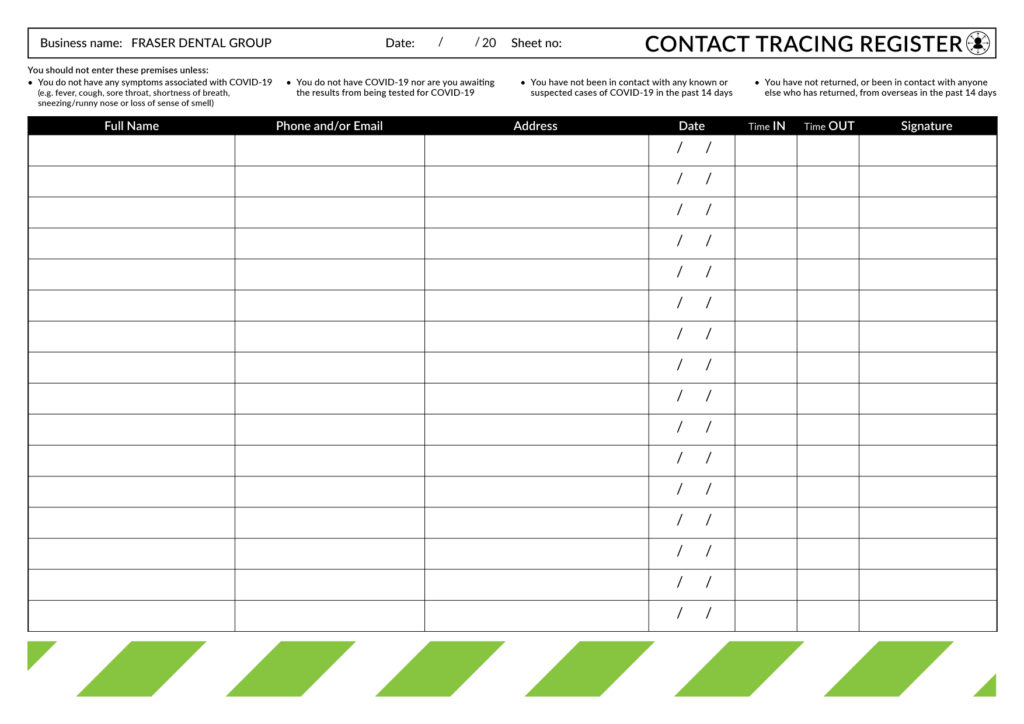
Every person must register upon entry with name, phone and address.

Temperature will be checked using a touchless thermometer. If your temperature is 38 degrees Celsius or higher, your appointment will have to be rescheduled.

You will be directed to one of our 5 dental chairs to take a seat.

When you finish your visit:

You will be directed to see the front end behind see-through plexiglass and social distancing of 6 feet / 2 meter.

We prefer to take card payments when possible.

You can book your next visit at the office, over the phone or by email.

Hand Hygiene:

There will be hand-sanitizing stations conveniently located through-out the clinic for you to use before and after your visit.

Treatment Rooms:

Dental offices have always maintained the highest level of infection control protocols and we continue to do so. At Fraser Dental Group, we are not only meeting, but we are exceeding the expectations and standards set by the British Columbia Centre for Disease Control, BC’s Oral Health Care Colleges’ and the College of Dental Surgeons of BC’s guidelines on getting back to work.

We have exceeded guidelines by ensuring good air circulation via our HVAC system and adding HEPA filtration to purify the air, including our reception area.

Each treatment room will be cleaned before and after each patient by hospital-grade disinfectant.

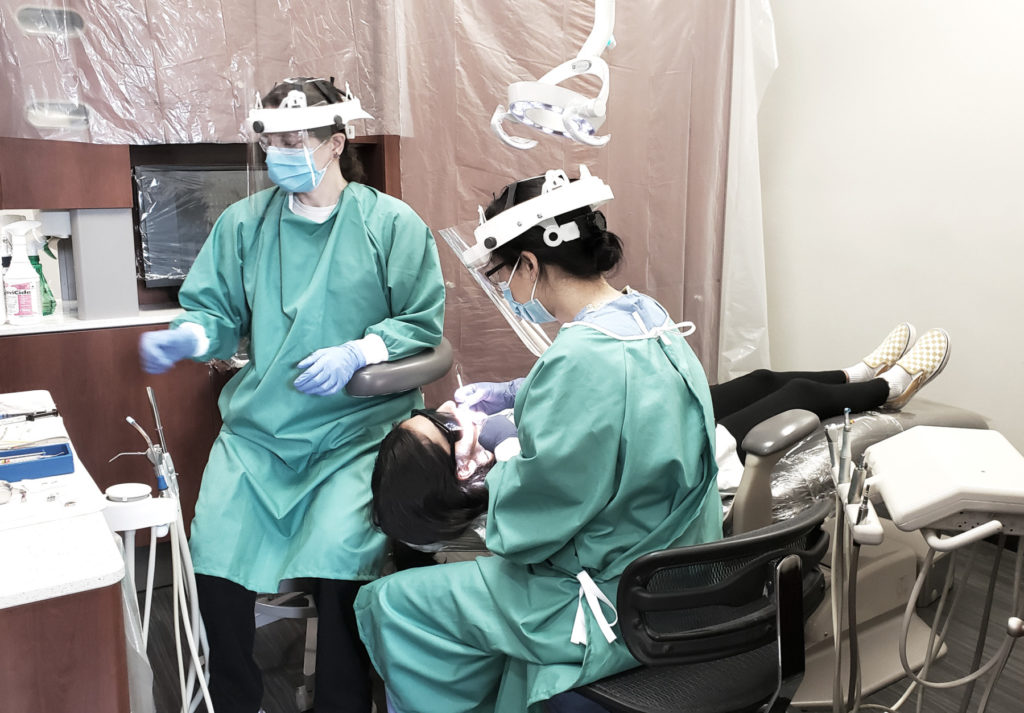
The doctors, along with their staff, will wear the highest level of Personal Protective Equipment (PPE) to protect the patient and the staff.

We assure you that we will be taking every measure to ensure your safety, as well as the safety of our staff, friends, and family. If you have any questions, please feel free to email us at fraserdentalgroup@gmail.com or contact us via phone at 604‑321‑7120.

Midmark M11 UltraClave

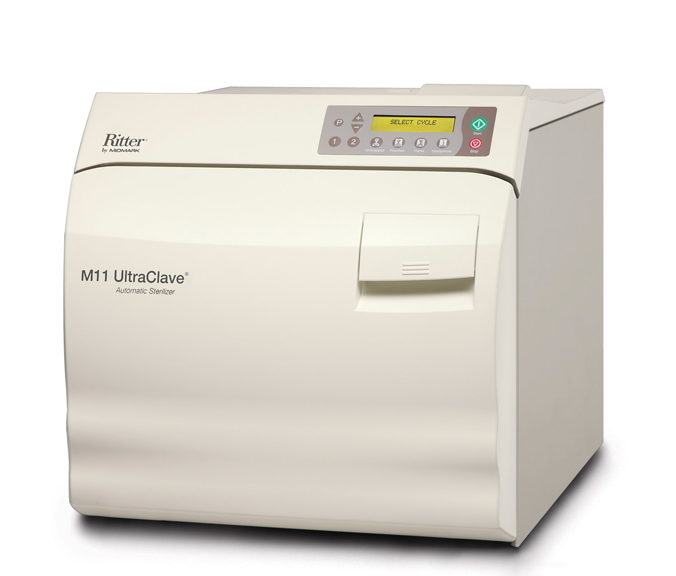
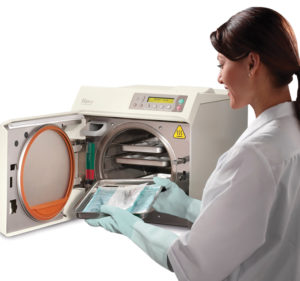
At Fraser Dental, we use the best autoclave device on the market for steam sterilization. We are proud to use the Midmark M11 UltraClave to ensure that all of our instruments are clean and rid of any infectious organisms. This device uses a steam-flush pressure pulse air removal system to give our instruments a deep, proper clean and get rid of all unwanted bacteria after use.

m11-2

The unique 11” x 18” chamber is the largest countertop sterilizer currently on the market and is perfect to fit most countertop standard-size instruments. The Midmark M11 UltraClave also has an LCD display that uses customized instrument-programmed, and pre-programmed controls featuring an automatic-opening door, making this steam sterilizer one of the most efficient ways to clean and dry all of the dental equipment in our practice.

NEW Instrument Washer

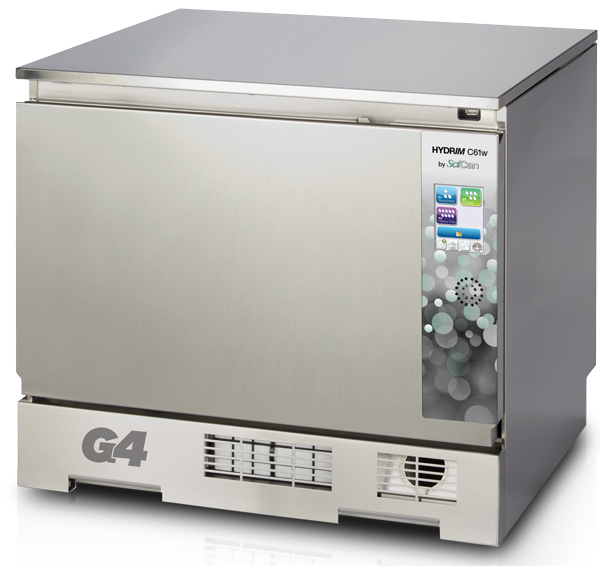
This is our NEW HYDRIM Instrument washer! It offers a better, safer, and more thorough way for our staff to wash and disinfect instruments. This HYDRIM machine ensures that the instruments we use are extra clean so that we can serve you better!

We’ve moved – come visit us in our brand new location

The Fraser Dental office has moved to a new location. Our address is now:

3333 Fraser Street
Vancouver, BC
V5V 4C2

We are located 2 blocks South of Kingsway. You can find our office on the ground level. Click here to view some photos of our new location.

What’s new with the new office?

  • It’s equipped with some new state of the art equipment including a new Digital Panoramic System, new Digital Intraoral Sensors and a Miele Sterilizer.
  • Our office layout is now ergonomic, for the benefit of our team at work and for you, our patients.
  • With the new office comes a fresh look to create an environment that’s both modern and inviting.

We want you to feel comfortable and right at home in our new space.

We have been proudly serving our patients in and around Vancouver and the Lower Mainland for over 20 years and look forward to continuing to do so out of our new location. We hope to welcome you there soon!

Professional Cleaning

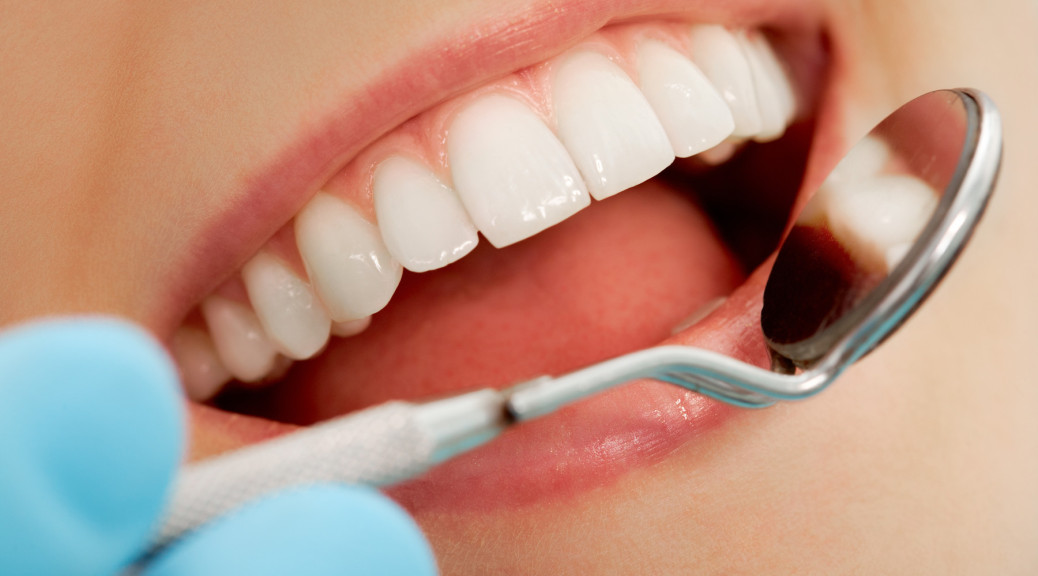
During your routine professional cleaning, your dental hygienist will perform scaling and root planning. If plaque is missed by the toothbrush and floss it can become hardened over time. This is called dental calculus. Scaling is the removal of this hardened plaque (calculus) on our teeth. Root planning is the removal of calculus that has embedded on the tooth root surface below the gum line. Root planning leaves the root smooth and reduces bacterial attachment and embedment.

Flossing

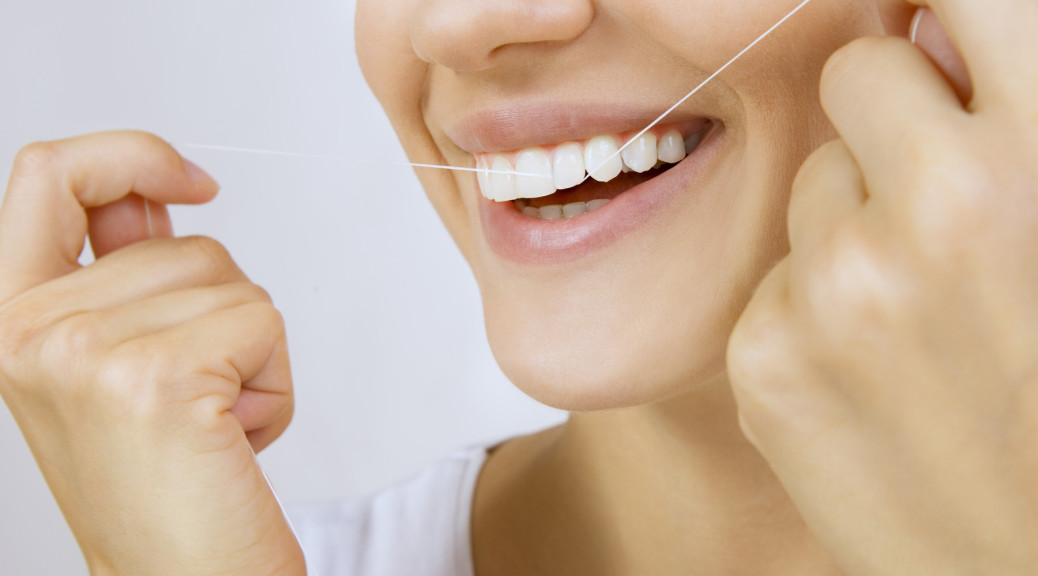
Periodontal disease and dental decay often start in between your teeth where the toothbrush cannot reach. Flossing is the best way to remove plaque from those surfaces. It is important to floss with the correct technique.

  1. Start with a piece of floss (waxed is easier) about 30 cm long.
  2. Lightly wrap most of the floss around the middle finger of one hand.
  3. Wrap the rest of the floss around the middle finger of the other hand.
  4. Hold the floss tightly between the thumb and forefinger of each hand, like the pincers of a crab.
  5. Gently insert the floss tightly between the teeth using a back-and-forth motion. Do not force the floss or try to snap it into place.
  6. Bring the floss to the gum line then curve it into a C-shape against one tooth and then move the floss up and down on the side of one tooth. Remember there are two tooth surfaces that need to be cleaned in each space.
  7. Lift the floss away from the gum before moving the floss to clean the other surface. This is so that you do not cut the gum tissue between the teeth.
  8. As the floss becomes soiled, turn from one finger to the other to get a fresh section. Do not forget the backside of the last tooth, on both sides, upper and lower.
  9. When you are done, rinse vigorously with water to remove plaque and food particles.

Do not be alarmed if, during the first week of flossing, your gums bleed or are a little sore. If your gums hurt while flossing, you could be doing it too hard or pinching the gum. As you floss daily and remove the plaque, your gums will heal and the bleeding should stop.

Tooth Brushing

Good oral hygiene helps prevent tooth loss due to gum disease (periodontal disease) and cavities. Periodontal disease and tooth decay are due in part to bacterial plaque (biofilm). Biofilm sticks to the teeth along the gumline and constantly grows larger and thicker. By daily brushing and flossing, we are able to remove those bacteria and help stop and prevent periodontal disease and dental decay.

Tooth Brushing (Manual Brush)

When brushing the sides of the teeth with a manual brush, angle the brush 45 degrees towards the gumline so the bristles point towards the gums. Using a gentle movement, vibrate the toothbrush in a circular motion for 4-5 seconds. To make sure you do not push what you cleaned into the gums, flick the toothbrush away from your the gums. When you are done the outside surfaces of the teeth, make sure you do not forget to do the insides surfaces in the same way.

Next you will brush the biting surfaces of the teeth. Use gentle strokes to clean all the grooves on the teeth. When brushing your teeth, look in the mirror to make sure the bristles touch all of the surfaces of the teeth and reach the gumline. After brushing, rinse your mouth well to remove any plaque and food that you brushed off.

If you have any questions about tooth brushing, ask your hygienist or dental assistant for more information.

Tooth Brushing (Electric Brush)

When brushing the sides of your teeth with an electric toothbrush, place the brush against the tooth and just let the brush do the work! Do not move the toothbrush quickly across the teeth. Slowly lift and place the electric toothbrush on each tooth, moving from one side of the mouth to the other. Let the brush do the work!

Once you are done with the outsides, don’t forget to brush the inside surfaces as well. The biting surfaces are cleaned the same way, by placing the brush on the tooth surface and letting the electric brush vibrate the plaque off.